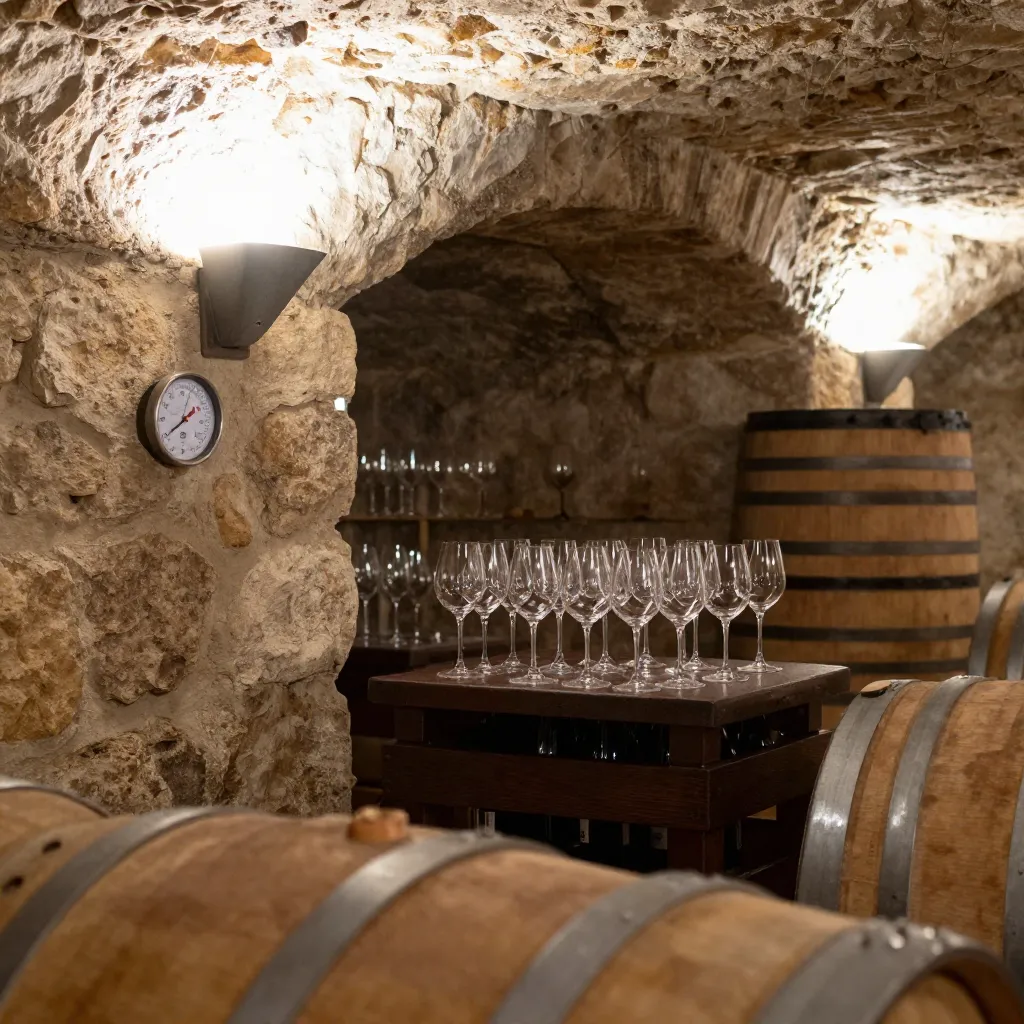
The Digital Cellar
Advanced inventory management system for comprehensive collection oversight
Inventory Organization
Our digital platform provides real-time visibility into your entire collection. Each bottle is cataloged with detailed metadata including producer, vintage, region, varietal composition, and acquisition details.
The system tracks storage location, purchase date, and current market valuation. Regional categorization enables quick access by appellation, from Bordeaux classifications to Napa Valley estates and Tuscan producers.
Bottle count tracking monitors collection size and composition, while valuation tools provide current market estimates based on recent auction results and retail pricing data.
Collection Analytics
Visual dashboards display collection composition through interactive charts and graphs. Regional distribution shows geographic diversity, while vintage spread analysis reveals temporal balance across decades.
Maturation tracking identifies bottles approaching optimal drinking windows, with alerts for wines ready for consumption. Investment performance metrics track collection value appreciation over time.
Custom reporting generates detailed summaries for insurance documentation, estate planning, or personal reference. Export capabilities enable data portability and backup.
The Tasting Atelier
Curated tasting experiences designed to expand knowledge and appreciation
Vertical Vintage Flight
Comparative tasting of multiple vintages from a single producer, examining how weather patterns and harvest conditions influence wine development. Sessions typically include three to five vintages spanning different decades.
Participants learn to identify vintage characteristics, understand aging evolution, and recognize peak drinking windows. Detailed tasting notes document flavor progression and structural changes over time.
Rare Terroir Exploration
Geographic journey through distinct wine regions, exploring how soil composition, climate, and traditional methods create unique expressions. Each session focuses on specific appellations and their signature characteristics.
Comparative tastings highlight regional differences, from the limestone soils of Burgundy to the volcanic terroir of Mount Etna. Educational components explain geological influences on flavor profiles.
Blind Tasting Challenge
Educational format where participants identify wines without label information, developing sensory skills and analytical thinking. Sessions focus on varietal recognition, regional identification, and vintage assessment.
Structured methodology teaches systematic evaluation techniques, from visual examination through aroma analysis to palate assessment. Feedback sessions reveal wine identities and discuss tasting notes.
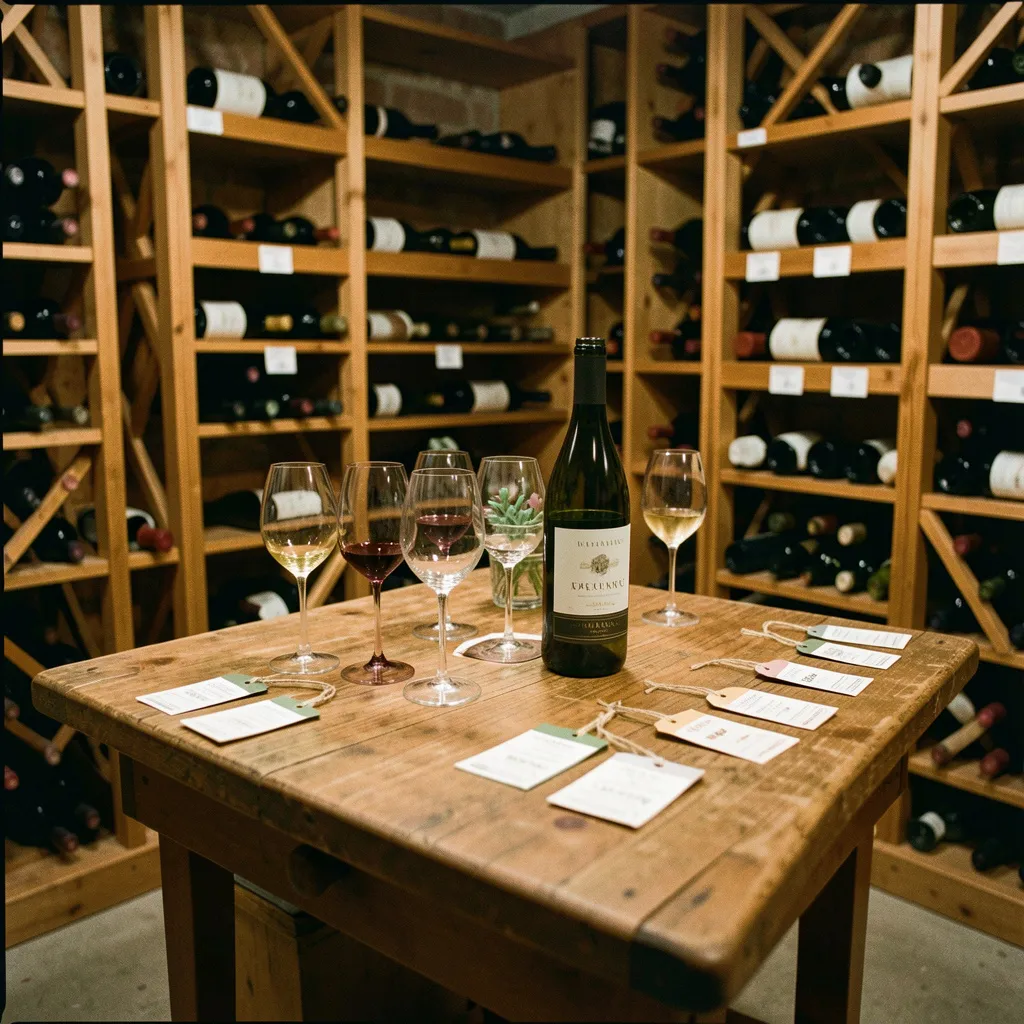
Our Methodology
Systematic approach ensuring accuracy, consistency, and comprehensive coverage
Documentation Process
Every bottle receives detailed documentation including producer information, vintage details, region and appellation, varietal composition, and acquisition provenance. Photographic records capture label condition and bottle appearance.
Storage location tracking ensures precise bottle location within cellar systems. Environmental monitoring data records temperature and humidity conditions throughout storage period.
Quality Assurance
Regular inventory audits verify physical presence against digital records, identifying discrepancies and ensuring data accuracy. Condition assessments document bottle integrity and label preservation.
Provenance verification confirms authenticity and storage history for rare or valuable bottles. Market valuation updates ensure current pricing information reflects recent market activity.